Stock code
300693

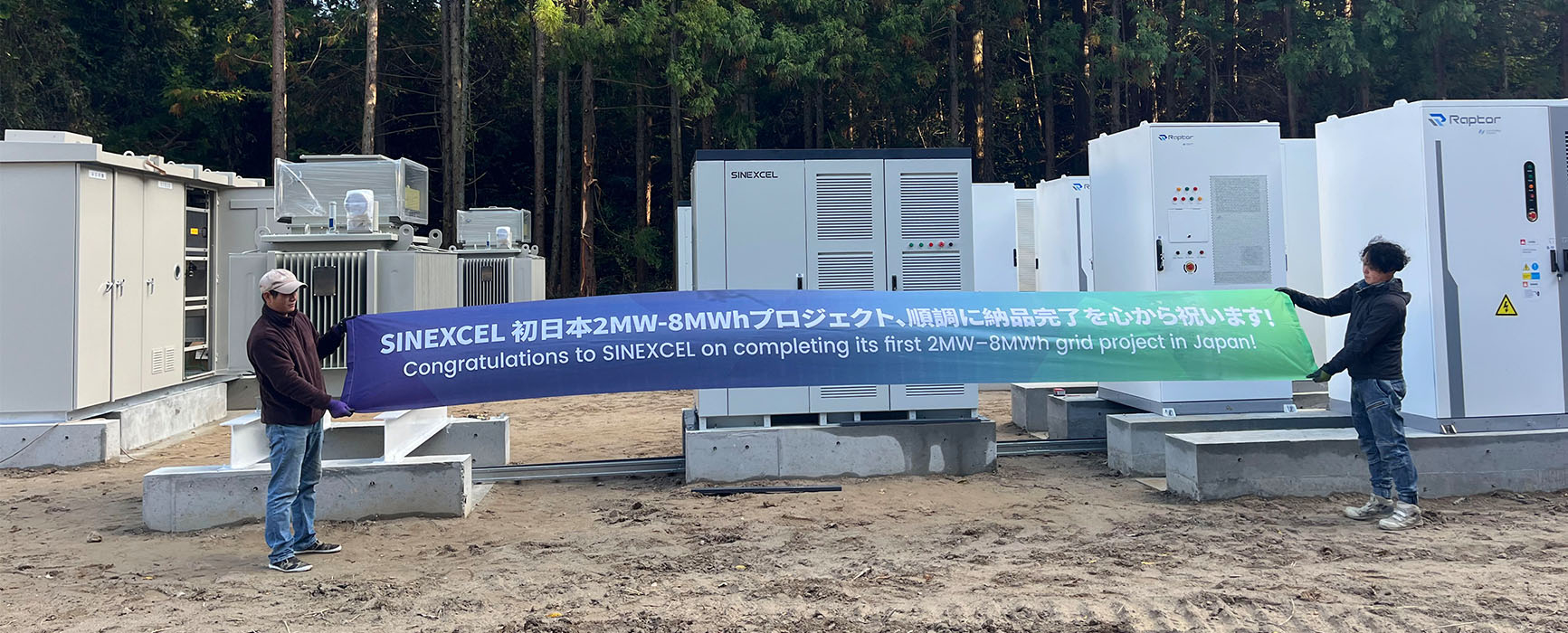
Japan is a global leader in the energy transition, yet its grid remains exceptionally vulnerable. The 8-hour blackout in Tokyo on January 16, 2026, served as a stark reminder of the system's fragility, exacerbated by aging infrastructure and the historic 50Hz/60Hz grid divide.
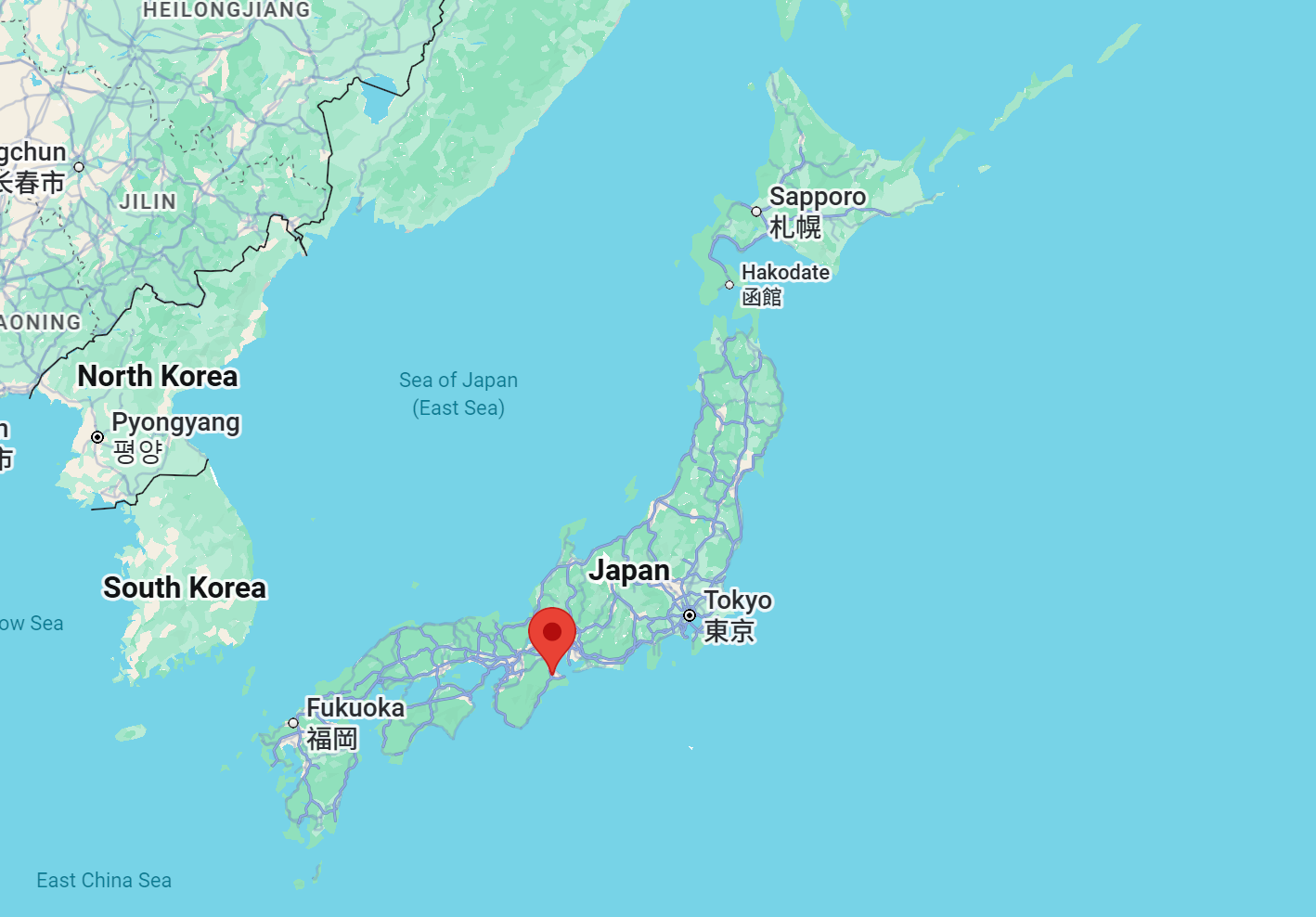
The project is located in Matsusaka City, a vital node in the Ise Bay Industrial Zone, connecting the Kansai and Chubu economic circles. This region is home to heavy manufacturing industries where power quality is non-negotiable. A voltage dip of mere milliseconds can disrupt production lines and cause significant financial losses.
The challenge was clear: The local grid needed a robust "shock absorber" to balance supply and demand, but the equipment had to meet Japan's incredibly high barriers for entry.
"In Japan, it's not enough to just store energy. The system must be smart enough to regulate voltage and tough enough to survive a disaster."
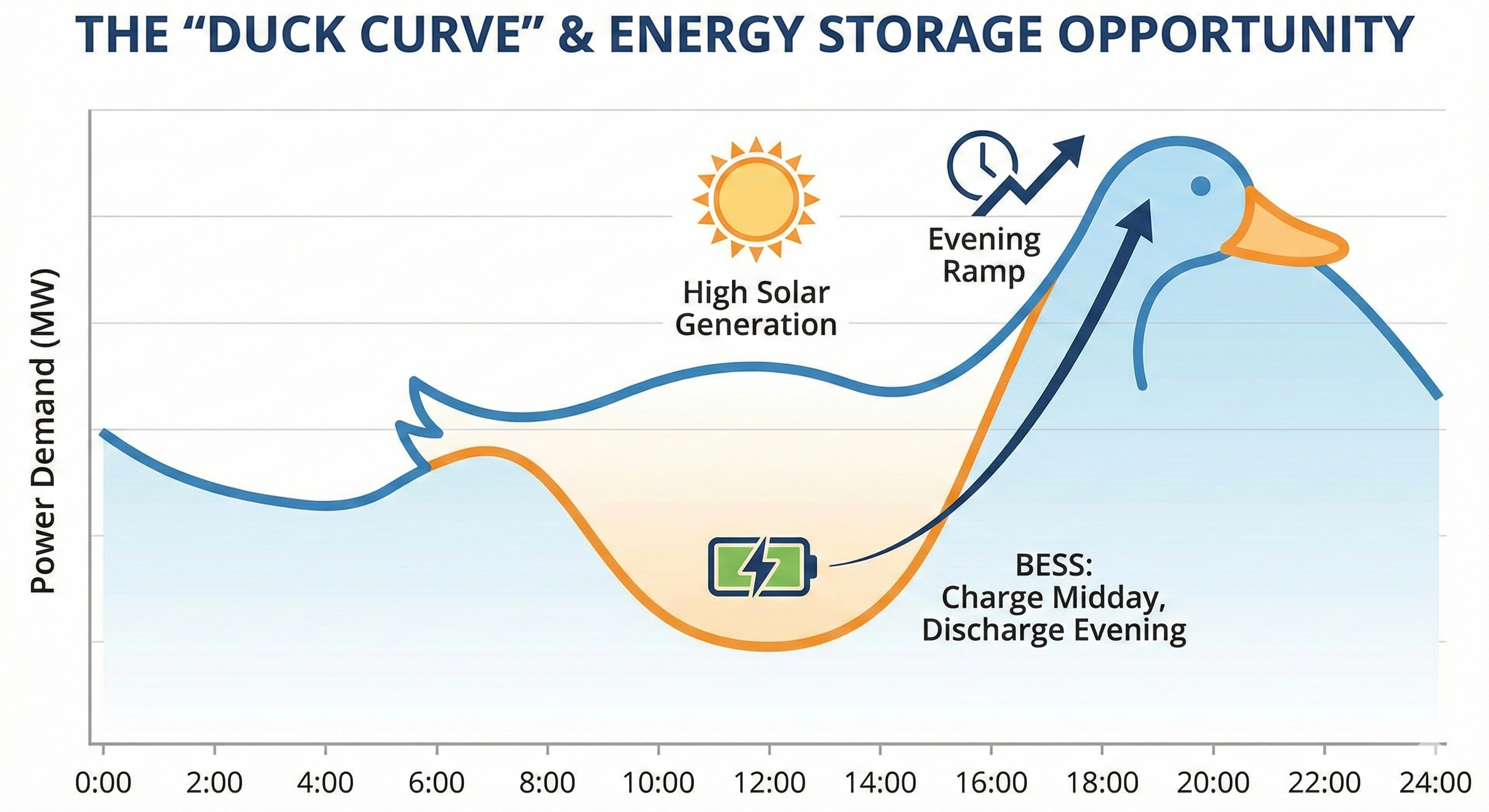
Beyond grid stability, the economic incentive for energy storage in Japan has reached a tipping point. With solar power flooding the grid, daytime electricity prices frequently plunge, only to spike dramatically during the evening peak—a phenomenon known as the "Duck Curve." Against this backdrop, the Matsusaka project’s 2MW/8MWh configuration represents the "Golden Standard" for the 2026 Japanese market. This duration is perfectly tailored for "Revenue Stacking." It enables asset owners to buy energy at low prices at noon and discharge during the critical 16:00–18:00 window when capacity is tightest and prices are highest, maximizing daily arbitrage.
- Precision Control: Featuring millisecond-level power response, the PCS efficiently regulates voltage, current, and frequency to counter sudden grid fluctuations.
- Power Quality Management: Beyond bi-directional power flow, the equipment proactively supports grid voltage and provides reactive power compensation, significantly enhancing system stability.
- Safety & Efficiency: Designed for utility-scale applications, the modular design incorporates multi-layer protection mechanisms to ensure lifecycle safety while substantially reducing O&M costs.
.png)
The successful installation of the Matsusaka project represents a pivot point for SINEXCEL in Japan.
Moving from 30kW/500kW distributed projects to MW-level utility applications proves that SINEXCEL’s technology has matured to meet the "Gold Standard" of Japanese infrastructure.
Once fully operational, the station will perform "Peak Shaving and Valley Filling," alleviating pressure on the Matsusaka grid during high-demand hours and enabling higher penetration of solar power in the region.
.png)



I have read and agree to the Privacy Notice.
SINEXCEL conducts all business correspondence and external communications exclusively through email addresses ending in @sinexcel.com, @sinexcel.cn, or @global.sinexcel.com. Any email address using a different domain is not an official SINEXCEL email address. Please verify the sender's email address carefully to avoid potential loss.